What Not to Eat While Travelling in a Rental Car – Safety Tips
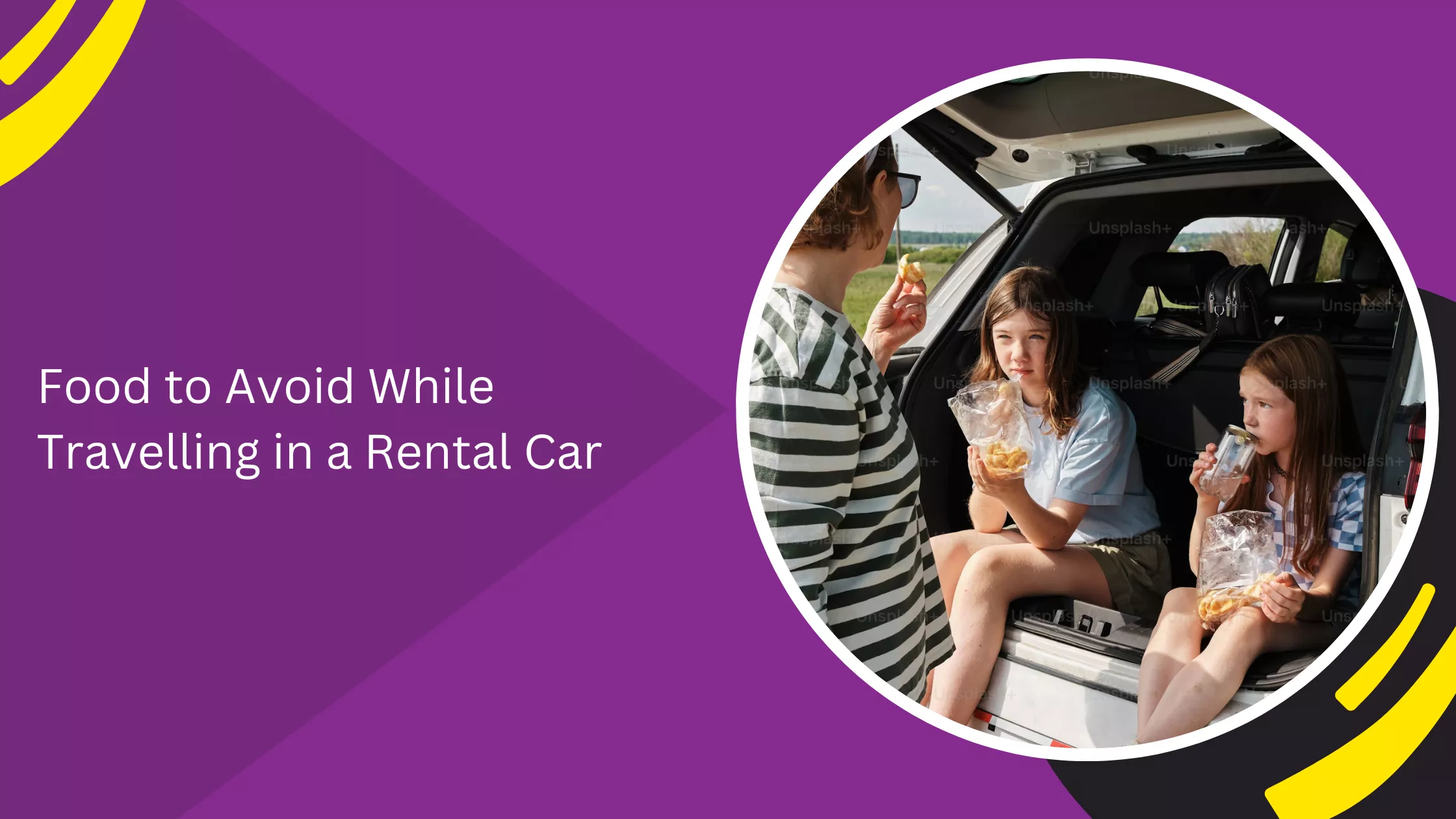
Road trips are one of the most enjoyable ways to travel, offering freedom, flexibility, and adventure. However, what many travelers overlook is how certain foods can negatively impact safety, cleanliness, and driving comfort inside a rental car.
Spills, strong odors, messy packaging, and distracting eating habits can quickly turn a smooth journey into a stressful experience. Whether you're on a short city drive or a long highway trip, choosing the right snacks matters more than you think.
This guide highlights the foods you should avoid while traveling in a rental car—and explains why making smarter food choices leads to a safer and more enjoyable journey.
Why Food Choices Matter in a Rental Car
Unlike your personal vehicle, a rental car must be returned in clean and damage-free condition. Food-related issues can lead to:
- Extra cleaning charges
- Persistent odors in upholstery
- Distracted driving and safety risks
- Sticky surfaces and equipment damage
- Negative travel experience
Maintaining cleanliness and safety should always be a priority when eating on the road.
1. Greasy and Fried Foods
Examples:
- Fried chicken
- Burgers with dripping sauces
- Fries with heavy seasoning
- Pakoras or oily snacks
Why to avoid:
Greasy foods are messy and difficult to handle in a moving vehicle. Oil can easily stain seats, steering wheels, and clothing. Even a small spill can create long-lasting odors and require professional cleaning.
Better alternative:
Opt for dry snacks like sandwiches, wraps, or baked chips.
2. Strong-Smelling Foods
Examples:
- Boiled eggs
- Tuna sandwiches
- Garlic-heavy dishes
- Certain spicy curries
Why to avoid:
Strong odors can linger in enclosed spaces like car cabins for hours or even days. This can make the ride uncomfortable for all passengers, especially in hot weather when ventilation is limited.
Better alternative:
Mild-smelling foods like fruits, nuts, or plain crackers.
3. Saucy or Liquid-Based Foods
Examples:
- Soups
- Gravies
- Curries with excess sauce
- Yogurt or custard cups
Why to avoid:
Liquid-based foods are one of the biggest causes of spills in vehicles. A sudden brake or turn can result in stains that are difficult to clean and may damage upholstery permanently.
Better alternative:
Choose dry meals or tightly sealed containers if liquids are necessary.
4. Crumbly and Messy Snacks
Examples:
- Croissants
- Chips that break easily
- Cookies with loose crumbs
- Dry pastries
Why to avoid:
Crumbs can scatter across seats, floor mats, and air vents, making the car messy and uncomfortable. They are also difficult to clean during travel.
Better alternative:
Granola bars, protein bars, or neatly packaged snacks.
5. Sugary Sticky Foods
Examples:
- Chocolate bars (especially melted ones)
- Candy and toffees
- Syrupy desserts
Why to avoid:
Sticky foods can quickly adhere to hands, seats, and dashboards. In warm weather, they become even messier and harder to manage.
Better alternative:
Fresh fruits like apples, grapes, or oranges (peeled and packed properly).
6. Carbonated Drinks
Examples:
- Soda cans
- Sparkling water bottles
- Energy drinks
Why to avoid:
Carbonated drinks can spill easily when shaken during travel. They also increase the need for frequent restroom stops, which may disrupt your travel schedule.
Better alternative:
Still water or tightly sealed juice bottles.
7. Foods That Require Utensils
Examples:
- Rice dishes
- Pasta meals
- Large plated meals
Why to avoid:
Using utensils while traveling increases distraction and reduces driving safety. It also raises the risk of spills and accidents.
Better alternative:
Pre-portioned finger foods or pre-packed travel meals.
Expert Travel Safety Tips for Eating on the Road
To ensure a clean, safe, and enjoyable journey, follow these expert-backed recommendations:
✔ Eat before starting your trip
Having a proper meal before departure reduces the need to eat while driving.
✔ Use spill-proof containers
Invest in sealed food boxes and insulated bottles to prevent leakage.
✔ Keep wet wipes and tissues handy
Quick cleanup can prevent stains from setting in.
✔ Avoid eating while driving
Always stop the vehicle in a safe location before eating.
✔ Use designated snack breaks
Plan short breaks every 1.5–2 hours for food and rest.
The Link Between Clean Driving and Safety
Eating while driving is not just a cleanliness issue—it is a safety concern. Distractions caused by handling food can significantly increase the risk of accidents.
By choosing the right foods and planning your meals wisely, you ensure:
- Better focus on the road
- Reduced risk of accidents
- A more comfortable travel experience
- Hassle-free vehicle return
Final Thoughts
Traveling by road is meant to be enjoyable, but small mistakes—like choosing the wrong food—can lead to unnecessary stress and expenses. By avoiding greasy, messy, and strong-smelling foods, you protect both your safety and the condition of the vehicle.
Smart eating habits on the road are a simple yet powerful way to ensure a smooth, clean, and memorable journey.