
Digital Payments: How to Securely Pay When You Rent a Car in Dubai
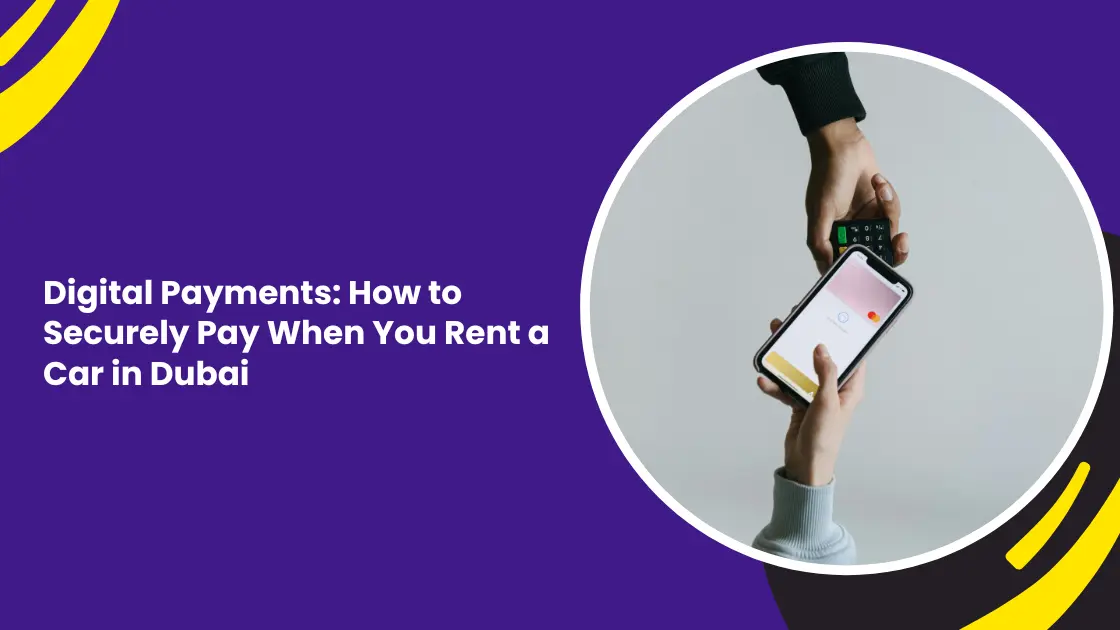
Beyond the Booking: A Complete Guide to Secure Digital Payments for Car Rentals in Dubai
Dubai is a city of fast cars, faster highways, and futuristic ambitions. From cruising down Sheikh Zayed Road in a luxury sedan to exploring the dunes in a 4x4, renting a car remains one of the smartest ways to experience the emirate on your own terms. However, the convenience of picking up a vehicle at Dubai Airport or a city branch comes with a critical responsibility: securing your digital payments.
In a market where car rental scams and hidden fees still occur, understanding how to protect your financial data is just as important as choosing the right insurance policy. This guide expands beyond basic advice, offering a deep dive into secure payment methods, red flags to watch for, and how to ensure your money stays safe while you enjoy the open road.
Why Payment Security Matters When Renting a Car in Dubai
Dubai’s rental car industry is highly competitive, with over 1,000 agencies operating across the emirate. While many are reputable, the influx of short-term tourists creates opportunities for less scrupulous operators. Common risks include unauthorized transaction reversals, inflated damage claims, and difficulty obtaining deposit refunds.
According to the Dubai Economic Department, payment-related disputes are among the top five complaints from car rental customers. Therefore, choosing how you pay is not just a logistical decision—it is a financial safeguard. A secure payment method acts as your first line of defense, providing traceability and dispute resolution mechanisms that cash or informal transfers simply cannot offer.
Credit Cards: The Gold Standard for Rental Protection
When local experts discuss secure car rental payments, credit cards consistently rank as the most reliable choice. Unlike debit cards, which pull money directly from your bank account, credit cards create a buffer between your funds and the merchant. This distinction is crucial in Dubai, where rental agencies typically place a security deposit (often ranging from 1,000 to 5,000 AED) on your card.
Fraud Protection and Chargeback Rights
Major credit card issuers like Visa, Mastercard, and American Express offer zero-liability policies. If an agency charges you for a dent you did not cause or fails to refund your deposit after returning the car, you can initiate a chargeback. This process allows your card issuer to reverse the transaction, putting the burden of proof on the rental company. Debit cards and bank transfers offer no such protection.
Travel Insurance Bundles
Many premium credit cards include complimentary car rental insurance (CDW or LDW) when you use the card to pay for the entire booking. This can save you up to 50 AED per day on coverage sold by the rental counter. Always check your card’s terms before arriving in Dubai, as some policies exclude luxury vehicles or off-road driving.
Expert Tip: Notify your credit card company of your travel dates to Dubai. This prevents your legitimate rental transaction from being flagged as suspicious and frozen while you are standing at the counter.
Mobile Wallets: The Rise of Encrypted, Tap-and-Go Payments
Dubai is undeniably a leader in contactless technology. The widespread adoption of Apple Pay, Google Pay, and Samsung Pay has transformed how tourists pay for everything from gold souks to car rentals. Mobile wallets offer a unique security advantage: tokenization.
How Tokenization Protects You
When you add your credit or debit card to a mobile wallet, the system replaces your actual card number with a unique digital token. Even if a rental agency’s payment terminal is compromised, hackers only capture that token—which is useless elsewhere. Additionally, biometric authentication (Face ID or fingerprint) ensures that even if someone steals your phone, they cannot authorize a payment.
Speed and Transparency
Using a mobile wallet at a Dubai rental desk reduces physical contact and speeds up the checkout process. More importantly, you receive an instant digital receipt on your device, creating a timestamped record of every transaction. For security-conscious renters, this is invaluable when disputing incidental charges like Salik tolls or fuel fees.
Caution: While mobile wallets are secure for point-of-sale transactions, avoid using them to send peer-to-peer payments to individual rental agents. Always pay directly through the agency’s official terminal or website.
Bank Transfers: Proceed with Professional Caution
Direct bank transfers are sometimes offered, especially for long-term rentals (one month or more) or corporate accounts. While legitimate for established B2B arrangements, this method carries significant risk for individual travelers.
The Refund Challenge
When you pay by bank transfer, you lose all leverage. Refunds for deposits or overcharges depend entirely on the goodwill of the rental agency. In Dubai, processing international wire refunds can take 10 to 20 business days, and some agencies delay transfers intentionally. Furthermore, you have no chargeback rights. If the company disappears, your money is gone.
When to Use Bank Transfers Safely
Only consider a bank transfer if three conditions are met:
- The rental company is a well-known brand with multiple physical locations in Dubai (e.g., Quick Lease, Hertz, Avis, Thrifty).
- You have a signed, itemized contract specifying the refund timeline for deposits.
- You are paying for a rental period exceeding 28 days, where credit card limits may be insufficient.
For standard weekly or daily rentals, avoid bank transfers entirely.
Essential Safety Checks Before You Enter Payment Details
Even the best payment method fails if you use it on a compromised platform. Before typing any card or wallet information, perform these five security audits:
Verify HTTPS and SSL Certificates
Look for the padlock icon in your browser’s address bar and ensure the URL begins with https://. The ‘s’ stands for secure. Any rental booking page without this is an immediate red flag. This is non-negotiable, even if the agency seems legitimate.
Research the Company’s Reputation
Google the agency’s name with terms like “Dubai rental scam review” or “deposit refund complaint.” Check the Dubai Tourism (DTCM) website for a list of licensed operators. A legitimate agency will have a trade license number displayed on its site.
Avoid Public Wi-Fi for Transactions
Dubai’s malls, hotels, and cafes offer free Wi-Fi, but these networks are notoriously insecure. Hackers can easily intercept data on open networks. Always switch to your cellular data or a verified VPN connection when making a payment. It is a small inconvenience that prevents identity theft.
Demand an Itemized Receipt
Never accept a verbal confirmation of payment. After any transaction, request a digital or printed receipt that includes the agency’s name, amount paid, transaction ID, and date. For deposits, the receipt should clearly state the refund terms, including any deductions for Salik (toll) or excess mileage.
Read the Fine Print on Holds
Some agencies place a “hold” (pre-authorization) on your credit card rather than charging it immediately. This hold reduces your available credit but is not an actual charge. Ensure you understand the hold amount and release time—typically 7 to 21 days post-return. If the hold does not disappear, your card issuer can help remove it.
Red Flags That Should Stop You From Paying
Trust your instincts. If a rental agency exhibits any of the following behaviors, walk away immediately:
- Pressure for cash payments: “We offer a discount if you pay cash.” This is almost always a tax evasion tactic and leaves you without a paper trail.
- No physical office address: Beware of agencies that only meet you in parking lots or hotel lobbies.
- Requests for your PIN or CVV over the phone: No legitimate transaction ever requires you to share your three-digit CVV code verbally.
- Unsigned contracts: Never pay until you have a signed, dated contract listing all fees, including Salik, delivery, and late return charges.
Final Thoughts: Secure Payments Unlock Worry-Free Driving
When you rent a car in Dubai, payment security is not a secondary detail—it is the foundation of a positive experience. By choosing a credit card or encrypted mobile wallet, avoiding public Wi-Fi, and always verifying the agency’s credentials, you protect yourself from the small minority of bad actors in this otherwise efficient market.
The trick is simple: stay vigilant, never trust an unverified vendor, and treat your digital payment information as carefully as you would the keys to your rental car. Drive safely, explore the Palm Jumeirah, visit the Hatta Mountains, and enjoy the freedom of Dubai’s roads—with complete peace of mind that your money is as secure as your vehicle.
Key Takeaways
- Use credit cards for chargeback protection: They offer fraud liability and deposit recovery rights that debit cards, cash, and bank transfers do not provide.
- Mobile wallets add tokenization security: Apple Pay and Google Pay encrypt your real card number, making them safer than swiping a physical card in tourist-heavy areas.
- Avoid bank transfers for standard rentals: Wire transfers remove your ability to dispute charges, and refunds often take weeks or never arrive.
- Never pay over public Wi-Fi: Always use cellular data or a VPN, and verify HTTPS on any booking site before entering card details.