
Understanding UAE Traffic Signs: A Complete Guide
Quick Answer
United Arab Emirates traffic signs are designed to control movement, warn drivers about hazards, guide routes and improve road safety. The most important categories are regulatory signs, warning signs, mandatory signs, guide signs, parking signs and road markings. Drivers renting a car should review these signs before using highways, roundabouts, school zones or unfamiliar urban roads.
Why Traffic Signs Matter More for Rental Drivers

A driver using a familiar personal car may already know the routes, parking habits and lane patterns around home. Rental drivers often face a different situation: a new vehicle, new blind spots, unfamiliar controls and sometimes a new city. That makes sign recognition more important, especially in Dubai where traffic speeds can change quickly between residential roads and highways.
Before using a rental vehicle, read tips for driving an unfamiliar rental car and review the main road sign categories. This reduces hesitation and helps you avoid sudden lane changes, missed exits and avoidable fines.
Regulatory Signs
Regulatory signs tell drivers what they must or must not do. Examples include Stop, Give Way, No Entry, speed limits, no U-turn, no parking and lane-control signs. These are not suggestions. Ignoring them can lead to fines, black points or accident risk.
Pay close attention around junctions, service roads and school zones. A missed regulatory sign can create immediate danger because other road users assume you will follow the stated rule.
Warning Signs
Warning signs alert drivers to hazards ahead, such as sharp bends, pedestrian crossings, roadworks, traffic merging, animal crossings, uneven roads or roundabouts. They usually appear before the hazard so you have time to slow down and adjust.
On longer weekend routes, warning signs are especially useful near mountain roads, desert edges and intercity highways. If you are planning a short getaway, combine this guide with weekend road trip ideas from Dubai and choose a vehicle that suits the route.
Mandatory and Direction Signs
Mandatory signs tell you the required movement or lane use, such as keep right, turn left, go straight or use a specific lane. Direction signs guide you toward exits, districts, airport terminals, highways and landmarks. Dubai’s multi-lane roads can be unforgiving if you notice an exit too late, so read overhead signs early.
If you are not comfortable navigating busy interchanges, a chauffeur service in Dubai or point-to-point transfer can be a safer option for business meetings, airport pickups or late-night travel.
Parking Signs and Road Markings
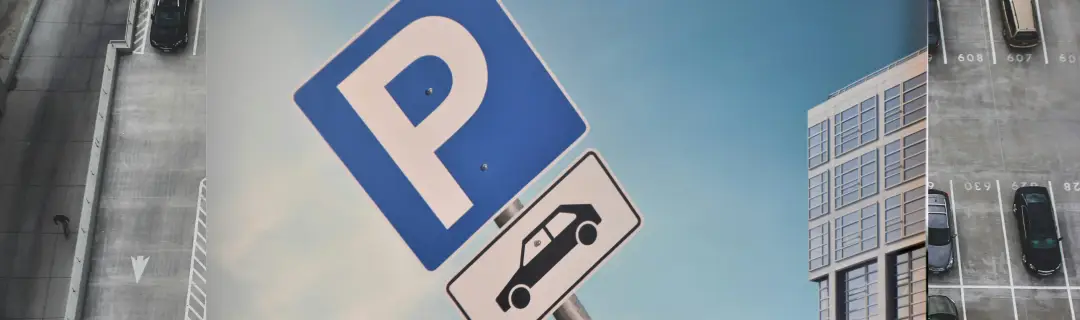
Parking signs explain where you can stop, how long you can park and which spaces are restricted. Road markings support the signs with lane arrows, stop lines, zebra crossings, bus lanes, yellow box junctions and no-parking lines. Always check both signs and road markings before leaving a rental car.
Parking mistakes can create extra costs. If you are trying to keep costs low, compare the hidden cost guide for cheap car rental deals and check Salik, parking, fuel and fine policies before booking.
Simple Safety Rules for Better Sign Awareness
Look ahead, not only at the car in front. Reduce speed when signs warn of merging or roadworks. Do not cross solid lines. Use indicators early. Keep extra distance near buses, school zones and pedestrian crossings. If you miss an exit, continue safely and reroute instead of cutting across lanes.
In an emergency or collision, follow local reporting requirements and document the incident. This is why every renter should also understand what to do if a rental car gets damaged in Dubai.
Dubai-Specific Context to Consider
Understanding UAE Traffic Signs: A Complete Guide should be understood within the UAE driving environment, not in isolation. Dubai and Abu Dhabi combine high-speed highways, paid parking zones, toll routes, strict enforcement, hot weather and a mix of residents, tourists and commercial traffic. A recommendation that works in a quiet city may not be enough for Sheikh Zayed Road, Marina parking, airport runs or inter-emirate travel.
That is why the practical decision should consider safety, vehicle condition, response time, reporting steps and avoiding preventable charges. For many tourists, new residents and drivers using a different vehicle category, the right answer is not simply the cheapest option. It is the option that reduces stress, keeps the agreement clear and supports the way the vehicle or transport choice will actually be used.
Pre-Booking or Pre-Decision Checklist
Before taking action, write down the purpose of the trip, expected duration, daily distance, passenger count, luggage needs, parking situation and whether the journey includes airport, hotel, office or inter-emirate stops. This quick checklist prevents overpaying for a vehicle you do not need or choosing a plan that becomes uncomfortable after a few days.
If the decision involves a rental vehicle, compare the relevant category pages instead of relying on a single price. For example, review tips for driving an unfamiliar rental car and then compare it with what to do if your rental car gets damaged in Dubai if your schedule, passenger needs or comfort expectations may change during the booking period.
Mistakes That Create Extra Cost or Risk
The most common mistake is focusing only on the headline price or the most attractive vehicle photo. In Dubai, the real experience is shaped by insurance terms, deposit rules, mileage allowance, Salik billing, parking access, traffic fines, vehicle condition and how fast support responds if something goes wrong.
Another mistake is leaving questions until pickup time. Ask for the important terms before payment, keep the agreement accessible on your phone and photograph the vehicle when you receive it. These habits are simple, but they protect both the customer and the provider if there is a dispute later.
Best-Fit Scenarios
This topic is most relevant when the driver is trying to balance convenience with control. Self-drive is better when you want flexibility, multiple stops and privacy. A chauffeur or transfer is better when parking, fatigue, unfamiliar roads or a formal arrival matter more than being behind the wheel yourself.
For families, the best-fit decision usually depends on child seats, boot space, cabin comfort and predictable pickup timing. For professionals, it depends on meeting schedules, presentation, travel time and whether the journey needs to feel effortless. For travelers, it depends on documents, route confidence and how much of the city they plan to explore.
Frequently Asked Questions
What are the main types of traffic signs in the UAE?
The main categories include regulatory signs, warning signs, mandatory signs, guide signs, parking signs and road markings.
Are UAE traffic signs in English?
Many signs use symbols, numbers, Arabic and English guidance, but drivers should learn symbol meanings because road decisions happen quickly.
What should tourists learn before driving in Dubai?
Tourists should learn speed signs, lane arrows, parking signs, Salik routes, roundabout rules and accident reporting basics.
Can a rental driver be charged for traffic fines?
Yes. Fines linked to the rental period are normally billed to the renter according to the rental agreement.
Final Recommendation
Safe driving starts before the engine starts. Review the signs, choose the right vehicle for your route and keep the rental agreement’s fine and accident policies clear before you drive.