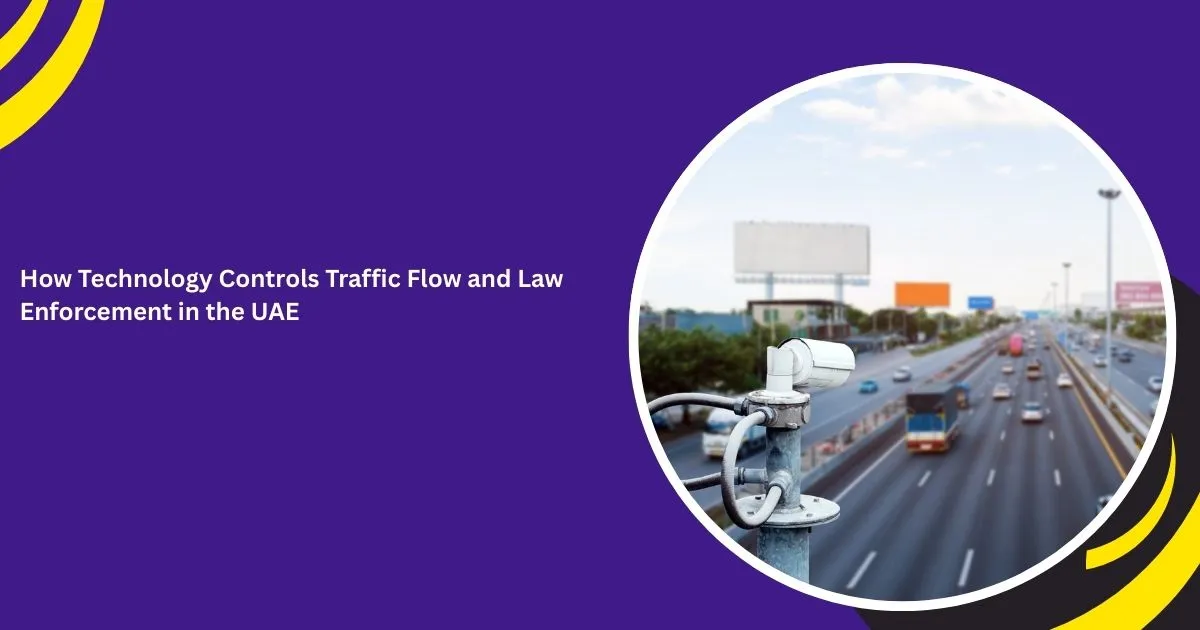
How Technology Controls Traffic Flow and Law Enforcement in the UAE: A Guide to Smart Road Infrastructure
Quick Answer: The Technology Behind UAE's Smart Highway Networks
The UAE utilizes a highly advanced, fully integrated smart traffic ecosystem. This setup includes artificial intelligence-driven radar cameras, automated Salik toll gates, and live digital signage to manage traffic flow, enforce safety regulations, and reduce congestion in real time.
Understanding Dubai's World-Class Smart Transportation Infrastructure
Driving across the United Arab Emirates showcases some of the most advanced traffic management systems in the world. Authorities have invested heavily in building a smart transport network that leverages artificial intelligence, big data analytics, and real-time connectivity to ensure maximum safety and smooth traffic flow for thousands of commuters daily.
For visitors enjoying a daily car rental in Dubai, understanding how these automated road systems operate helps ensure full compliance with traffic rules and a smooth, stress-free driving experience across the country.
Choosing the Ideal Fleet Class for Maximum Value
When navigating the modern roads of the UAE, matching your vehicle selection to your specific travel requirements is essential. Our platform provides full access to our fleet, allowing you to browse through highly efficient compact options, multi-passenger family vehicles, and premium executive cars designed to meet any transport need.
For daily city commuting, choosing fuel-efficient economy rental cars helps keep your monthly budget under control while providing excellent agility in urban parking situations.
For families requiring extra legroom and spacious storage for shopping trips, choosing a spacious SUV rental in Dubai ensures top-tier road safety, power, and interior comfort on every journey.
Comparing Weekly vs. Monthly Rental Options
For mid-term stays lasting a couple of weeks, selecting a flexible weekly rent a car plan gives you great freedom without any long-term financial commitments.
For professionals and long-term residents staying for several months, setting up a monthly car rental in Dubai delivers the best value, lower daily rates, and fully managed maintenance and insurance services.
Customizable Leasing Solutions for Businesses
Local enterprises and international organizations can take advantage of our tailored corporate lease packages. These solutions help keep capital free from heavy vehicle deprecation while ensuring your team has access to modern, reliable transportation.
Frequently Asked Questions & Expert Insights
What is the standard mileage limit on long-term rentals?
Standard monthly packages typically come with a generous mileage allowance of 3,000 to 5,000 kilometers per month, which is ideal for standard daily commuting across the Emirates.
Are toll fees (Salik) tracked automatically?
Yes, every vehicle features an integrated Salik tag. Tolls are automatically scanned when passing through gates and are billed transparently at the end of your rental period.
Can I share driving duties with a second driver?
Yes, an additional driver can be officially added to the contract by submitting their driving license and residency documents, ensuring full insurance coverage for both operators.
What documents do tourists need to provide?
International tourists need to provide a valid international passport, a tourist visa copy, and a recognized driving license from their home country.
Book Your Ideal Vehicle Today
Ready to experience the ultimate in convenient, reliable, and premium car rentals? Browse through our extensive modern fleet today, choose the ideal vehicle for your upcoming trip, and lock in the most competitive rates available in the market. Get in touch with us today to finalize your reservation.