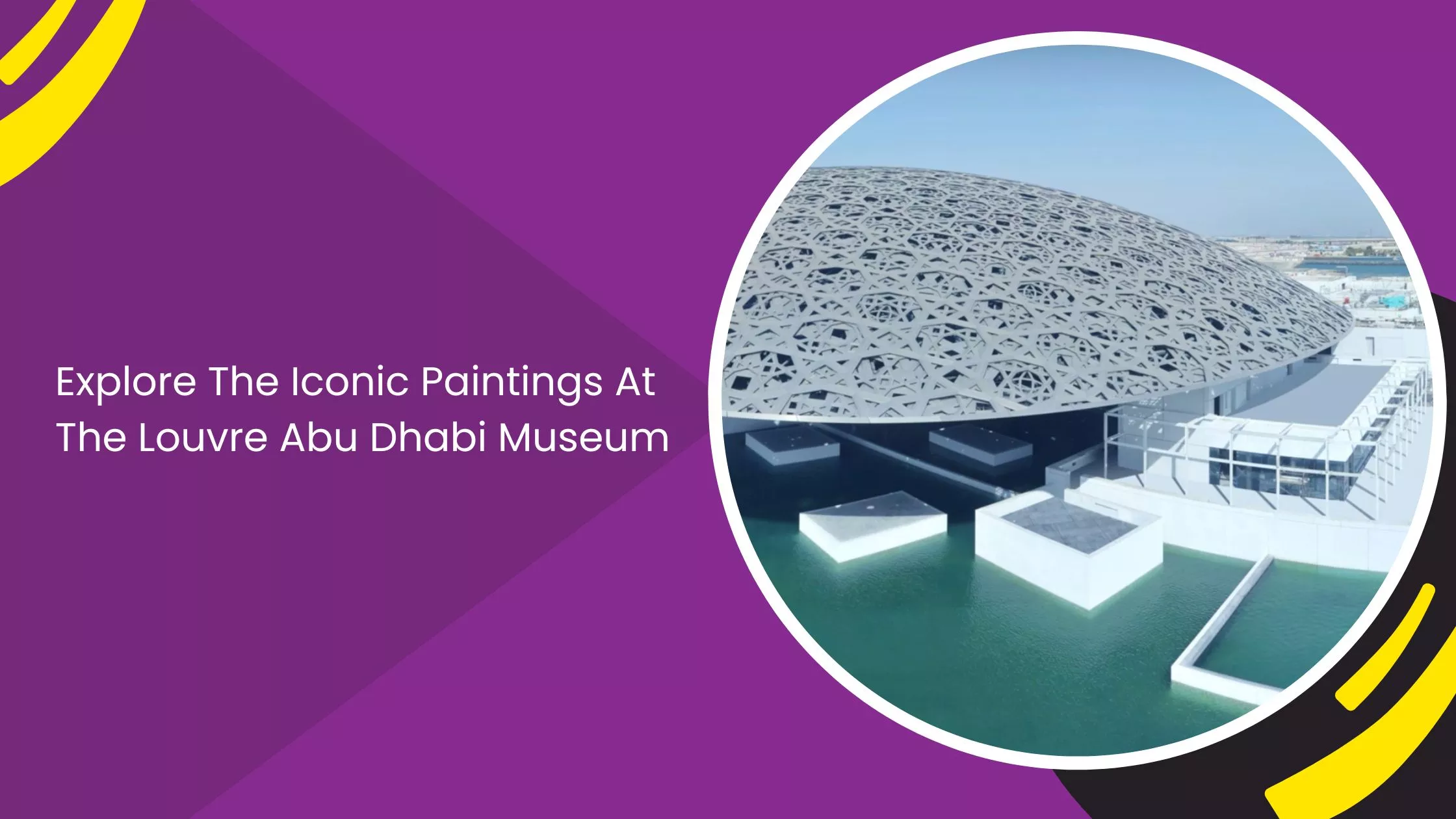

The Louvre Abu Dhabi is more than a museum—it is one of the most significant cultural landmarks in the Middle East and a destination where art, history, and human creativity converge. Located on Saadiyat Island, the museum is celebrated for its unique approach to storytelling, bringing together masterpieces from different civilizations and time periods under one roof. Its mission is to showcase the shared history of humanity through art and cultural exchange.
Whether you are an art enthusiast, a history lover, or a first-time visitor to Abu Dhabi, the museum offers an extraordinary opportunity to explore world-renowned artworks that span centuries of artistic achievement.
In this guide, we explore some of the most iconic paintings housed at Louvre Abu Dhabi and explain why they continue to captivate visitors from around the world.
Why Louvre Abu Dhabi Is a Must-Visit for Art Enthusiasts
Unlike traditional museums that organize collections by geography or nationality, Louvre Abu Dhabi presents artworks through universal themes and shared human experiences. This innovative approach allows visitors to see connections between cultures, civilizations, and artistic traditions that evolved across different regions of the world.
The museum's permanent collection includes paintings, sculptures, archaeological treasures, manuscripts, and contemporary works, creating one of the most diverse cultural experiences in the UAE.
1. The Good Samaritan by Jacob Jordaens (1615–1616)
One of the most emotionally powerful works in the museum, The Good Samaritan by Flemish artist Jacob Jordaens depicts the well-known biblical story of compassion and generosity.
The painting captures the moment when a traveler assists an injured stranger who has been abandoned by others. Through dramatic lighting, expressive figures, and rich Baroque styling, Jordaens transforms a moral lesson into a deeply human narrative.
Why It Matters
- Exemplifies the grandeur of Baroque art
- Demonstrates storytelling through visual composition
- Encourages reflection on empathy and social responsibility
Visitors often find themselves drawn into the scene, feeling as though they are witnessing the event firsthand.
2. Virgin and Child by Giovanni Bellini (1480–1485)
This masterpiece by Giovanni Bellini is considered one of the finest examples of the Early Venetian Renaissance.
The painting portrays the Virgin Mary holding the infant Jesus with remarkable tenderness and realism. Bellini's innovative use of oil painting techniques helped create rich textures, subtle lighting, and lifelike expressions that were revolutionary for the period.
Artistic Highlights
- Exceptional color harmony
- Delicate emotional expression
- Masterful use of Renaissance oil painting techniques
What makes this work particularly distinctive is Bellini’s choice of a dark background, which intensifies the viewer's focus on the sacred figures.
3. In Fontainebleau Forest: Pines and Birch Trees Among the Rocks by Camille Corot (1845–1850)
Nature takes center stage in this serene landscape by French painter Camille Corot.
Inspired by the famous Fontainebleau Forest near Paris, the painting showcases towering trees, textured rock formations, and subtle light effects that evoke a sense of tranquility. Corot's work played a major role in shaping modern landscape painting and influenced future generations of Impressionist artists.
Why Visitors Love It
- Captures the peaceful beauty of nature
- Demonstrates exceptional use of light and atmosphere
- Provides insight into the evolution of modern landscape art
The painting encourages viewers to slow down and appreciate the quiet elegance of the natural world.
4. A Young Emir Studying by Osman Hamdi Bey (1878)
Among the museum’s most culturally significant works is A Young Emir Studying by renowned Ottoman artist Osman Hamdi Bey.
The painting portrays an intellectual immersed in study, symbolizing the value of education, scholarship, and cultural refinement within Ottoman society. Hamdi Bey was known for blending Western artistic techniques with Eastern themes, creating works that challenged stereotypes and celebrated cultural identity.
Key Themes
- Education and intellectual curiosity
- Ottoman cultural heritage
- East-West artistic dialogue
This artwork remains highly relevant today because of its powerful message about knowledge and lifelong learning.
5. Children Wrestling by Paul Gauguin (1888)
Created during a pivotal period in Paul Gauguin’s career, Children Wrestling demonstrates the artist’s transition toward the bold visual language that would later define Post-Impressionism.
The painting features vibrant colors, simplified forms, and expressive movement. Rather than focusing on realistic representation, Gauguin sought to communicate emotion, energy, and symbolism.
What Makes It Important
- Early example of Post-Impressionist innovation
- Bold use of color and composition
- Strong emotional and symbolic impact
Art historians often regard this work as a stepping stone toward many of the modern art movements that followed.
6. Untitled I–IX by Cy Twombly (2008)
For visitors interested in contemporary art, Cy Twombly’s Untitled I–IX offers a fascinating contrast to the classical masterpieces elsewhere in the museum.
The series is characterized by sweeping gestures, rhythmic lines, and abstract forms that blur the boundaries between writing and painting. Twombly’s work invites viewers to interpret meaning through emotion rather than recognizable imagery.
Why It Stands Out
- Represents modern abstract expression
- Encourages personal interpretation
- Challenges traditional expectations of art
Many visitors discover something different each time they encounter the series, making it one of the museum’s most engaging contemporary works.
What Makes the Louvre Abu Dhabi Collection Unique?
The strength of Louvre Abu Dhabi lies not only in individual masterpieces but also in how they are presented. The museum’s collection emphasizes cultural connections and shared human experiences rather than geographic divisions. This approach allows visitors to understand how artistic ideas traveled across continents and influenced civilizations throughout history.
Combined with the museum's iconic architecture and its celebrated "rain of light" dome design, the experience becomes as memorable as the artworks themselves.
Visitor Tips for Exploring the Paintings
To get the most from your visit:
- Allocate at least 3–4 hours for exploration.
- Use the museum's digital guide for additional artwork insights.
- Visit during weekday mornings for a quieter experience.
- Take time to read the curatorial descriptions beside each artwork.
- Explore both permanent collections and temporary exhibitions.
These simple steps can significantly enhance your understanding and appreciation of the museum's collection.
Final Thoughts
Louvre Abu Dhabi offers one of the most enriching cultural experiences in the UAE. Its collection of iconic paintings provides a remarkable journey through centuries of artistic achievement, from Renaissance masterpieces and Baroque storytelling to Post-Impressionist innovation and contemporary abstraction.
Whether you are passionate about art history or simply curious about the world's greatest creative achievements, the museum's paintings offer an unforgettable window into humanity's shared cultural heritage. Every gallery reveals new perspectives, making Louvre Abu Dhabi a destination worth revisiting time and again.
Frequently Asked Questions
Which paintings are most famous at Louvre Abu Dhabi?
Some of the museum's most celebrated paintings include The Good Samaritan by Jacob Jordaens, Virgin and Child by Giovanni Bellini, Children Wrestling by Paul Gauguin, A Young Emir Studying by Osman Hamdi Bey, and Untitled I–IX by Cy Twombly.
How long should I spend at Louvre Abu Dhabi?
Most visitors spend between three and four hours exploring the galleries, although art enthusiasts often dedicate an entire day to the museum.
Is Louvre Abu Dhabi suitable for families?
Yes. The museum offers family-friendly exhibits, educational activities, and interactive experiences suitable for visitors of all ages.
What makes Louvre Abu Dhabi different from other museums?
Its unique "universal museum" concept presents artworks through shared themes and human experiences, creating connections across cultures and civilizations.
Where is Louvre Abu Dhabi located?
The museum is situated on Saadiyat Island in Abu Dhabi, United Arab Emirates.